Brent council bulky waste rules and fines explained 2026
Posted on 10/10/2026
If you live in Brent and you've got an old sofa, broken wardrobe, mattress, or a battered chest of drawers sitting in the hallway, you're probably trying to work out the least stressful way to get rid of it. That is exactly where Brent council bulky waste rules and fines explained 2026 becomes useful. The rules are not hard to understand, but they do matter, because one wrong move can mean a missed collection, extra hassle, or in some cases a penalty if waste is left out illegally.
This guide walks through what bulky waste usually means, how council collection arrangements tend to work, where people go wrong, and how to avoid the kind of problem that ends with items staying on the pavement longer than they should. Let's face it, no one wants to be that neighbour with a sofa waiting in the drizzle by the kerb on a Tuesday morning.

Why Brent council bulky waste rules and fines explained 2026 Matters
Bulky waste sounds straightforward until you're standing in a flat full of stuff that won't fit in a normal bin. In Brent, as in most London boroughs, bulky items are usually things that are too large for household bins or standard weekly collection. Think sofas, tables, wardrobes, beds, white goods, carpets cut into manageable sections, and similar household items.
The reason this matters is simple: bulky waste is one of the easiest types of rubbish to get wrong. A few common mistakes include leaving items outside too early, blocking pavements, dumping on the wrong day, or assuming that "someone will take it" and walking away. That's when a nuisance becomes a compliance problem.
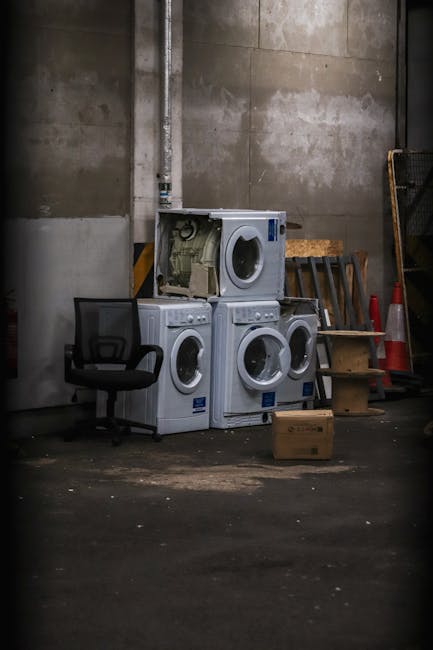
For residents, the main issue is not only cost. It's also timing, convenience, and the risk of a fly-tipping complaint if waste is left out in the open. If you have ever seen a washing machine sit outside for two days in the rain, gathering damp and attracting the wrong kind of attention, you'll know how quickly a small job becomes a bigger one.
There's another point people sometimes miss: council bulky waste rules are not just about whether an item is accepted. They're also about presentation, access, safety, and responsibility. Even when a collection is booked, the waste still needs to be ready in the right place. If it isn't, the collection can fail and the waste may remain your responsibility.
That is why understanding the rules early saves time. It also helps you choose between arranging a council collection, taking items to a reuse or recycling route, or using a private service. Different situations call for different solutions, and a bit of planning goes a long way.
How Brent council bulky waste rules and fines explained 2026 Works
At a practical level, bulky waste disposal in Brent usually follows a familiar pattern. You identify the item, check whether it is accepted, book the relevant collection or removal route, prepare the items properly, and make sure they are accessible when required.
The exact process can change, so always check the latest council guidance before you book. Still, the logic stays the same.
What usually counts as bulky waste
Most bulky waste collections deal with larger household items that cannot be placed in normal containers. Common examples include:
- wardrobes and cabinets
- mattresses and bed frames
- sofas and armchairs
- tables and chairs
- appliances such as fridges or washing machines, subject to acceptance rules
- carpets, rugs, and underlay when cut and bundled appropriately
- general household furniture from a clear-out
Some items may be restricted because of size, weight, condition, contamination, or safety concerns. For example, anything with hazardous components, heavy construction debris, or electrical items may need separate handling. Truth be told, this is where people often get caught out. A "big item" is not always a "bulky waste item" in the council's eyes.
How fines or enforcement can happen
Fines are usually linked to unlawful dumping, obstruction, or breaching local waste rules rather than simply owning bulky waste. In plain English, the risk rises when items are left where they should not be, handed to an unlicensed carrier, or dumped on the street without proper arrangement.
Typical situations that can lead to enforcement action include:
- placing waste on the pavement without a booked collection
- leaving items out on the wrong day
- blocking footpaths, entrances, or shared access areas
- using a carrier that cannot prove proper waste handling
- dumping waste in communal spaces or near bins and hoping it disappears
The exact penalty depends on the circumstances and the authority involved. It is best to think of fines as a consequence of incorrect disposal or fly-tipping behaviour, not as a standard charge for a bulky item collection.
What residents should expect in practice
Most residents want two things: a predictable collection and no awkward follow-up. To get that, the item should usually be ready by the agreed time, placed where access is easy, and separated from normal household waste unless told otherwise. If a lift, communal hallway, or narrow path is involved, access needs matter even more.
One small but useful point: if your building has shared entrances or bins tucked away behind gates, check where the collection crew is meant to access items. That detail saves so much back and forth. A missing gate code can cause a surprisingly expensive delay.
Key Benefits and Practical Advantages
Doing bulky waste the right way is not just about avoiding a fine. There are some very real practical benefits, especially in a busy borough where space is tight and people notice clutter quickly.
- Cleaner communal areas: items removed properly keep pavements, entrances, and shared spaces tidy.
- Lower risk of complaints: neighbours are far less likely to report a problem when waste is handled correctly.
- Less personal stress: you know the item is booked, handled, and off your plate.
- Better recycling outcomes: reusable or recyclable materials can often be diverted instead of trashed.
- Reduced chance of enforcement: following the right process is the simplest way to avoid penalties.
There is also a dignity factor here, oddly enough. A proper clear-out feels better. Rooms open up, the air feels lighter, and you can finally see the floor again. Not a bad feeling on a rainy Brent afternoon.
For landlords, letting agents, and householders doing end-of-tenancy clearances, the advantage is even bigger. You want a smooth handover, not a last-minute scramble because an old mattress is still wedged behind the front door.
Expert summary: The safest approach is to treat bulky waste as a planned disposal task, not an afterthought. Book early, check acceptance rules, and make sure the items are ready to collect before the date arrives.
Who This Is For and When It Makes Sense
This guidance is useful for a broad mix of people across Brent. It is not just for homeowners. In fact, some of the most common bulky waste issues come from flats, shared houses, and rental properties where responsibility is not always crystal clear.
Homeowners
If you're replacing furniture, clearing a spare room, or tidying after a renovation, bulky waste rules help you avoid leaving large items out too early or relying on a neighbour's advice that may be out of date.
Renters and tenants
When moving out, tenants often inherit the headache of old furniture and unwanted bits left behind. The key question is who is responsible for removal, and that should be checked before move-out day. In a shared house, assumptions cause problems fast.
Landlords and agents
For property managers, bulky waste is often part of a wider clearance problem. A quick, lawful removal can protect void periods, present the property properly, and avoid complaints from neighbours or incoming tenants.
Older residents or busy households
Sometimes people simply do not have the time, transport, or strength to move bulky items. That's where a council or private collection route becomes useful. No shame in that. Not everyone has a van, a friend with a van, or the patience to dismantle a bed at 8pm.
When it makes sense to use a professional service
A professional removal service is often sensible when items are heavy, mixed with other waste, hard to carry down stairs, or needed gone on a tight timetable. If you are also clearing a loft, garage, garden corner, or office area, it may be more efficient to bundle the job together with a broader service such as house clearance in Brent or, for business premises, office clearance in Brent.
And if the waste is not just one old sofa but a bigger mixed load, you may want to compare it with general waste removal in Brent or the wider services overview to see what suits the job best.
Step-by-Step Guidance
Here is a practical way to handle bulky waste without overthinking it.
- Identify the items clearly. Make a list of every large item you want removed. Be specific: "sofa" is better than "large stuff."
- Check whether each item is accepted. Some items need special treatment. Electricals, mattresses, and mixed-material items can have separate rules.
- Decide on the route. Council collection, private collection, reuse, donation, or take-to-site options may all be possible depending on the item.
- Measure access. If the item must pass through a narrow hall or down stairs, check dimensions before the collection day. This saves awkward surprises.
- Prepare the item. Empty drawers, remove loose contents, and dismantle when sensible. Keep screws, glass, or sharp parts safely packed.
- Book or arrange collection. Use the correct process and confirm the date, time window, and location instructions.
- Put items out only when instructed. Early placement can create clutter and risk. Late placement can cause a failed collection. Timing matters more than people think.
- Keep proof where useful. Save confirmation emails or reference numbers. If something goes wrong, you will be glad you did.
A small reality check: the best disposal job is usually the boring one. Nothing dramatic, nothing rushed, just one calm pass through the details. That's it.
Expert Tips for Better Results
After enough clear-outs, a few patterns show up again and again. The good news is that most mistakes are avoidable.
Tip 1: Group your items by type
If you separate furniture, electrical items, textiles, and general rubbish before you book, you're much more likely to choose the right disposal route. Mixed loads are where confusion begins.
Tip 2: Ask about access before the day arrives
If collection crews need a code, bell entry, parking access, or help finding a rear alley, make that clear early. A five-second note can save a failed visit. You really do not want to be chasing this at 7:30 in the morning.
Tip 3: Think about reuse first
If a sofa, table, or wardrobe is still decent, reuse or donation may make more sense than disposal. The council route is for waste; good-condition items may deserve a second life.
Tip 4: Keep shared spaces tidy
In flats and terraces, one item can quickly become a communal problem. Keep the area neat, and avoid leaving parts of dismantled furniture in halls or on stairs. People notice. Always.
Tip 5: Plan around weather and collection windows
A dry morning is easier than a wet one, and not just because you stay less grumpy. Wet cardboard, soaked mattresses, and slippery floors create more work for everyone.
If you need a broader tidy-up, it may also help to look at recycling and sustainability so reusable materials are handled in a more responsible way.
Common Mistakes to Avoid
Most bulky waste problems are not dramatic. They're small errors that snowball.
- Leaving items out too soon: this creates clutter and can be treated as improper presentation or dumping.
- Assuming everything can go together: some materials need different handling.
- Blocking shared access: hallways, entrances, and pavements should remain safe and clear.
- Using an unverified carrier: if someone offers a quick cheap removal and disappears, you may still be left with the responsibility.
- Forgetting about disassembly: a wardrobe in one piece may be impossible to collect safely from a narrow flat.
- Ignoring booked time windows: if the arrangement says a collection window, that window matters.
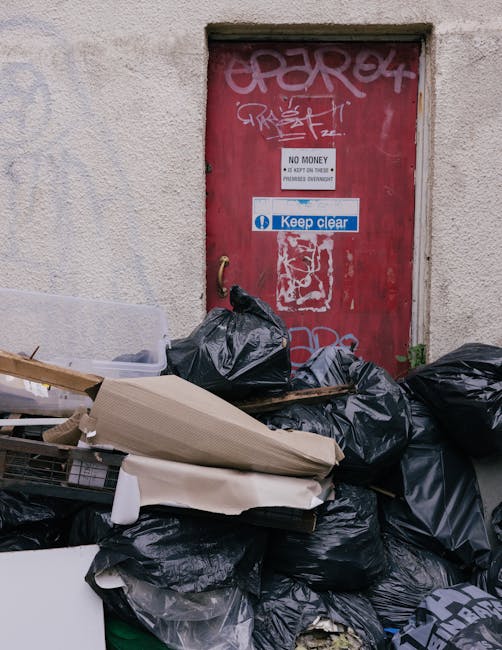
There's one particularly common error worth stressing: people sometimes treat bulky waste as "someone else's problem" once it is outside. That is a risky assumption. If waste is dumped or left incorrectly, the original householder or occupier may still end up dealing with the consequences.
Tools, Resources and Recommendations
You do not need specialist equipment to handle bulky waste, but a few simple tools and habits make the whole process easier.
- Measuring tape: useful for checking whether items fit through doors, stairwells, and communal entrances.
- Marker pen and labels: handy for identifying parts, screws, or matching panels after disassembly.
- Strong gloves: useful for moving rough edges, broken wood, or awkward finishes.
- Blanket or old sheet: good for protecting floors while you shift large items.
- Confirmation record: keep booking details, reference numbers, or messages in one place.
For people managing a larger clear-out, it can also help to review pricing and quotes before making a decision. That way you can compare what is included, what access assumptions are being made, and whether the service suits your schedule.
If safety is a concern, especially with heavy furniture, stairs, glass, or awkward lifting, take a look at insurance and safety. That is the sort of detail people ignore until a scratched wall or strained back reminds them otherwise.
Practical recommendation: if you expect more than one item, write a quick inventory first. Even a simple phone note helps you stay organised and avoids that classic "wait, we had three chairs, not two" moment.
Law, Compliance, Standards, or Best Practice
When people search for fines, they usually want clarity on what is allowed and what could go wrong. The safest way to think about this in Brent is that lawful disposal is about control, traceability, and keeping public spaces clear. Waste should not be abandoned, fly-tipped, or handed to anyone who cannot handle it properly.
Best practice in the UK generally means using a legitimate, appropriate disposal route; keeping access routes safe; separating items where needed; and ensuring the waste is collected or deposited responsibly. If a service provider is involved, they should be able to explain how waste will be handled and what happens to reusable or recyclable material.
For residents, the most important practical rules are simple:
- do not leave bulky waste out unless the arrangement says it is ready to collect
- do not obstruct pavements, doorways, or shared entrances
- do not assume an informal collector will dispose of items properly
- do not dump items beside communal bins and expect them to disappear
Fines and enforcement are generally about unlawful disposal, not ordinary household clear-outs. Still, if you get the process wrong, the consequences can become frustrating and expensive. So, a bit of care here is worth it.
If you are comparing options beyond one-off collection, the broader rubbish collection in Brent page can help you understand how different waste types are typically approached. That can be useful if your bulky items are only one part of a larger tidy-up.
Options, Methods, or Comparison Table
Choosing the right disposal method depends on time, item condition, quantity, and access. Here's a simple comparison to make the decision easier.
| Option | Best for | Pros | Watch-outs |
|---|---|---|---|
| Council bulky waste collection | Single or small number of household items | Convenient for residents; familiar process | May have item restrictions, booking rules, and waiting times |
| Private removal service | Faster turnaround, multiple items, awkward access | Flexible timing, broader load capacity | Need to check pricing, access assumptions, and disposal standards |
| Reuse or donation | Good-condition furniture and usable items | Reduces waste and supports reuse | Items must usually be clean, usable, and acceptable to the recipient |
| DIY transport to a reuse or waste facility | People with access to a vehicle and spare time | Can be cost-effective | Time, transport, loading effort, and handling responsibilities fall on you |
In many everyday cases, the right answer is a mix of methods. A wardrobe might be reused, a broken table disposed of, and old books donated. Real life rarely arrives in one neat category, inconvenient though that may be.
Case Study or Real-World Example
A fairly typical Brent scenario goes like this. A family in a flat near a busy high street is replacing a sofa and clearing out a spare room before new flooring arrives. They also have a mattress, a broken desk chair, and a couple of old shelves.
At first, they think about just leaving everything by the bin store "after work." That would have been the easy option, but not the right one. The collection area is shared, space is tight, and the timing is awkward. Instead, they check what can be booked, decide which items are suitable for collection, dismantle the shelves, and keep the passageway clear.
The result is straightforward: no blocked entrance, no irritated neighbour, and no risk of the items sitting out overnight. The job is done in one calm go. A bit dull maybe, but that is exactly what you want with waste removal.
In a different case, a landlord dealing with end-of-tenancy rubbish uses a broader clearance route because the flat contains not just one bulky item but mixed contents. That approach works better because it handles the whole mess in one visit rather than turning the task into three separate headaches. If the items are part of a larger property clean-out, builders waste disposal in Brent may also be relevant when renovation debris is mixed in.
Practical Checklist
Use this checklist before you book or place anything out:
- Have I identified every bulky item clearly?
- Do I know whether each item is accepted?
- Have I checked if any item needs dismantling?
- Is access clear for collection?
- Do I know where the items should be placed?
- Have I avoided putting waste out too early?
- Do I have confirmation of the arrangement?
- Have I separated reusable items from true waste?
- Is the area safe for neighbours, visitors, and crews?
- Have I considered a more suitable route for mixed or specialist items?
If you can tick those off, you are in good shape. Not glamorous, but solid.
Conclusion
Brent council bulky waste rules and fines explained 2026 comes down to one simple idea: bulky items need a proper disposal route, and the safest route is the one that matches the item, the access, and the timing. When people get into trouble, it is usually because they rushed the job, guessed the rules, or left items where they should not be.
Take a calm, practical approach. Check what the item is, how it should be handled, and whether a council collection, private removal, or reuse route makes the most sense. A few minutes of planning can save a lot of mess later. And yes, the hallway will thank you.
Get a free quote today and see how much you can save.
When the job is done properly, you get your space back, the street stays clear, and the whole thing fades into the background exactly where it belongs.
 Tipper Van - Rubbish Collection and Office Rubbish Removal Prices in Brent, NW1
 Luton Van - Rubbish Collection and Office Rubbish Removal Prices in Brent, NW1